Read employment data as a set of related measures
Use employment, unemployment and participation together when examining the condition of a labour market.
Practical financial knowledge, with sources you can inspect.
253 Sonuçlar

Use employment, unemployment and participation together when examining the condition of a labour market.

Keep the stage of the supply chain and the reporting basis visible when reviewing inflation releases.
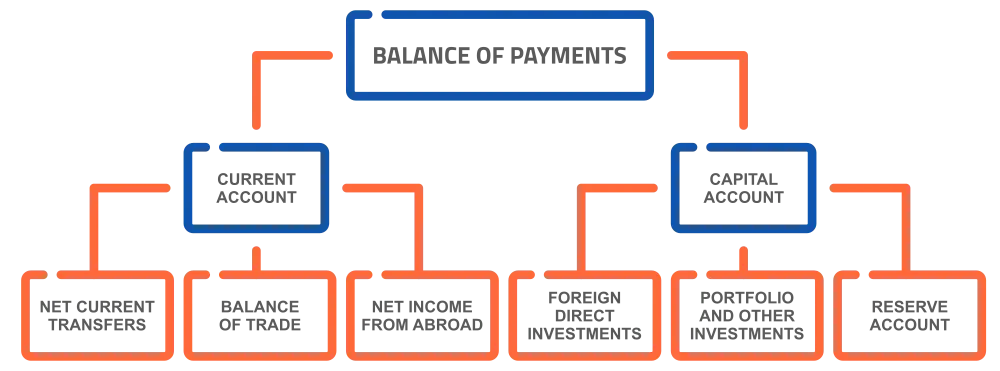
Identify what a cross border economic statistic includes before interpreting a deficit or surplus.

Identify the survey provider, sector and comparison point before interpreting a purchasing managers index.
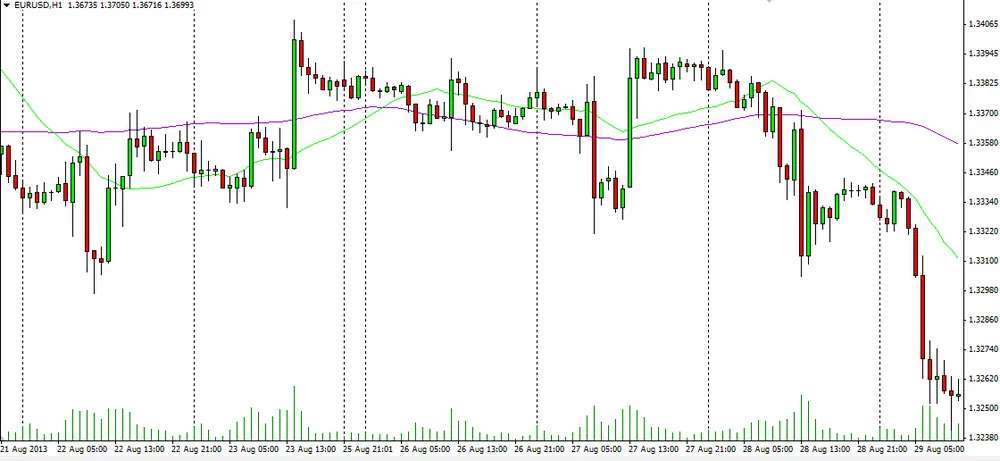
Compare orders and output carefully to understand what each industrial indicator contributes to economic research.

Separate a directory profile, its publisher rating and independently checked regulatory records when examining a trading service.

Keep reasons, execution details and outcomes together so a learning record can be reviewed without hindsight edits.

Combine execution records with contemporaneous notes to distinguish a recorded result from the process behind it.
Document verified support channels and response procedures for access problems without assuming market orders will fill as expected.

Older people make up a growing share of the American population, and their contributions to the country are numerous. When compared with…
The U.S. labor market remained strong in 2019, as the unemployment rate fell to 3.5 percent, the lowest rate since 1969. Both…
Data from the Job Openings and Labor Turnover Survey show that the labor market continued to be strong throughout most of 2019…
Under the current definitions of labor force status, one person can be working in a job (in retail sales, for example) and…
The labor force participation rate of prime-age men (ages 25 to 54) has been mostly falling since the late 1960s, with steeper…
This article examines the substitution effect in Producer Price Index (PPI) data for final- and intermediate-demand goods. The analysis demonstrates that PPIs…
We merge detailed microdata from the Occupational Employment Statistics survey with establishment founding dates from the BLS Longitudinal Database, which allows us…
Using data from the Producer Price Index (PPI) program, this article describes changes in producer prices in 2019. Final-demand producer inflation over…
Employment and real output growth are projected to slow from 2019 to 2029. One in four people will be ages 65 and…
To date, there have been several theoretical attempts at measuring the marginal cost of layoffs in Unemployment Insurance (UI) taxes. This article…
This article describes the impact the COVID-19 pandemic has had on price changes for food categories within the U.S. Bureau of Labor…
Nonfatal workplace injury and illness data published by the U.S. Bureau of Labor Statistics (BLS) Survey of Occupational Injuries and Illnesses (SOII)…
As part of the implementation of its strategic plan, the U.S. Bureau of Labor Statistics (BLS) has increasingly studied the issue of…
Using data from the National Longitudinal Surveys of Youth 1979 and 1997, this article examines how the skill level and task content…
The term “Indian Country” is often used to mean either the demographic group of Native Americans in the United States or the…